Context & Problem
The client was losing high-value leads because their support infrastructure averaged four-hour response times and had no intelligent routing — every inquiry went into the same queue regardless of urgency or value. They needed AI-driven automation that could handle routine inquiries end-to-end while identifying and escalating the conversations worth a human's attention, all without replacing their existing CRM and telephony setup.
Businesses were losing potential customers due to slow response times and inconsistent support quality across multiple communication channels. Their existing support infrastructure averaged four-hour response times and lacked any intelligent routing or prioritization, causing high-value leads to go cold. They needed an AI-powered solution that could handle customer interactions autonomously while maintaining a human touch and knowing when to escalate. The system also had to integrate with existing CRM and telephony infrastructure without requiring a costly migration.
Design Constraints
- teamInherited constraints from legacy project format.
Architecture Overview
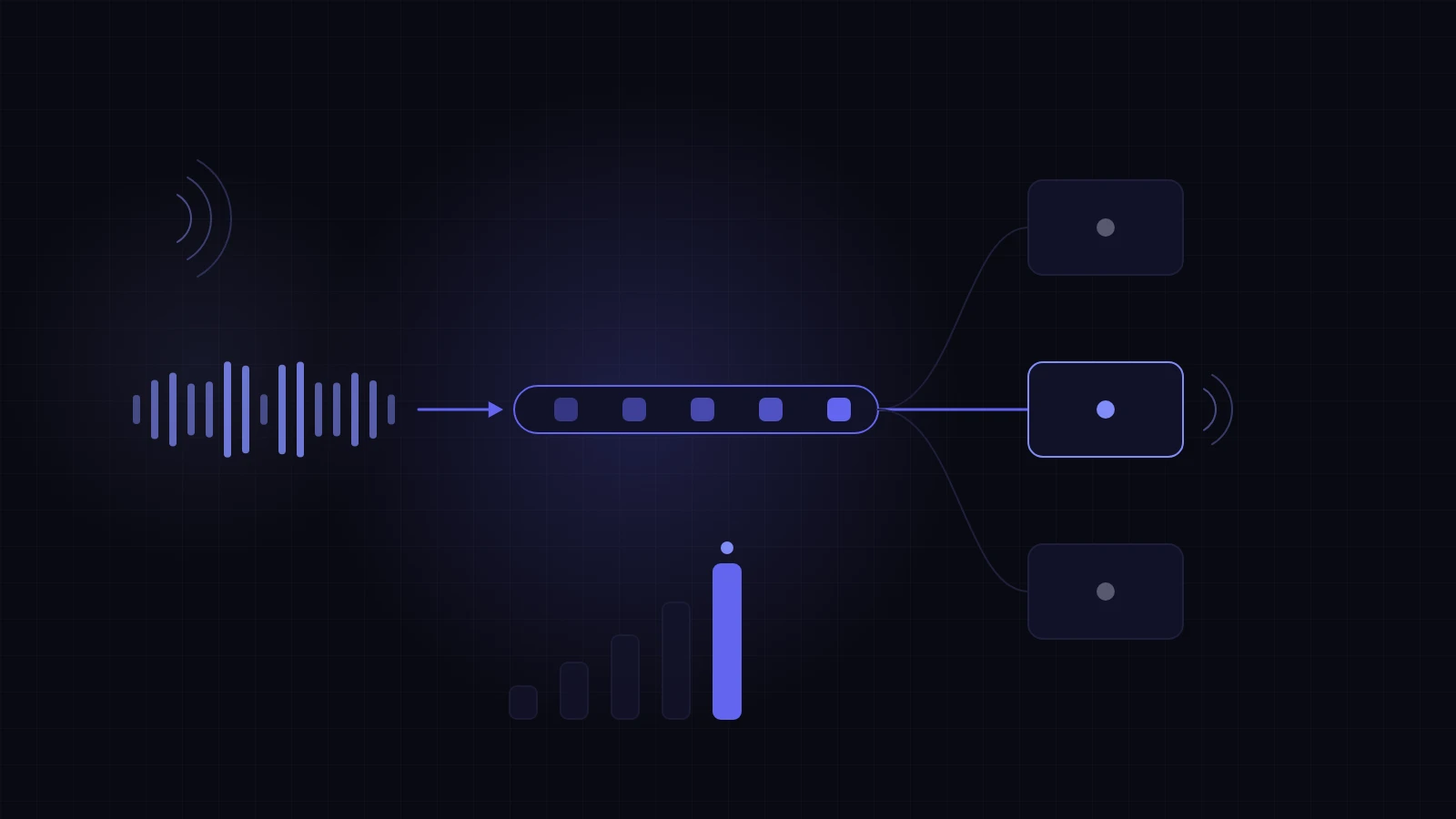
Architected an event-driven microservices platform using NestJS with a message queue backbone powered by Redis Streams for reliable asynchronous processing. Integrated Twilio Programmable Voice for inbound and outbound call handling, layering OpenAI GPT models on top for real-time natural language understanding and context-aware response generation. Built a custom ML pipeline for lead scoring that analyzes conversation sentiment, engagement patterns, and demographic signals to prioritize the highest-value prospects. Implemented a React-based operator dashboard with live WebSocket feeds for real-time conversation monitoring, analytics, and manual escalation controls.
Outcomes & Lessons Learned
Inquiry Automation
Automated 70% of routine customer inquiries
Lead Conversion
Increased lead conversion rate by 45%
Response Time
Reduced average response time from 4 hours to under 2 minutes
Retrospective
- The hardest design problem wasn't the AI — it was defining when the agent should escalate to a human. A binary confidence threshold produced too many false escalations. The model that worked was a combination of topic classification and conversation length: long conversations on high-value topics got a human, short routine ones were fully automated.
- Redis Streams as the message queue backbone worked well for throughput, but required careful consumer group management. When a consumer died mid-processing, the pending entry list grew silently until we added explicit dead-letter handling and monitoring.