Context & Problem
Furniture restoration companies and transit claims adjusters were coordinating damage claims entirely through phone calls, emails, and paper forms — with no shared source of truth for claim status, photos, or liability. Disputes were common, documentation went missing, and the time between damage report and resolution stretched for weeks. Both parties needed a single workflow they could trust.
Furniture restoration companies and claims adjusters had no efficient way to communicate about transit damage claims. The existing process was fragmented across phone calls, emails, and paper forms, leading to frequent delays, lost documentation, and disputed liability. There was no single source of truth for claim status, so stakeholders wasted hours tracking down updates manually. The solution needed to support annotated photo evidence, digital signatures, and automated workflow progression while remaining simple enough for non-technical field staff to adopt immediately.
Design Constraints
- teamInherited constraints from legacy project format.
Architecture Overview
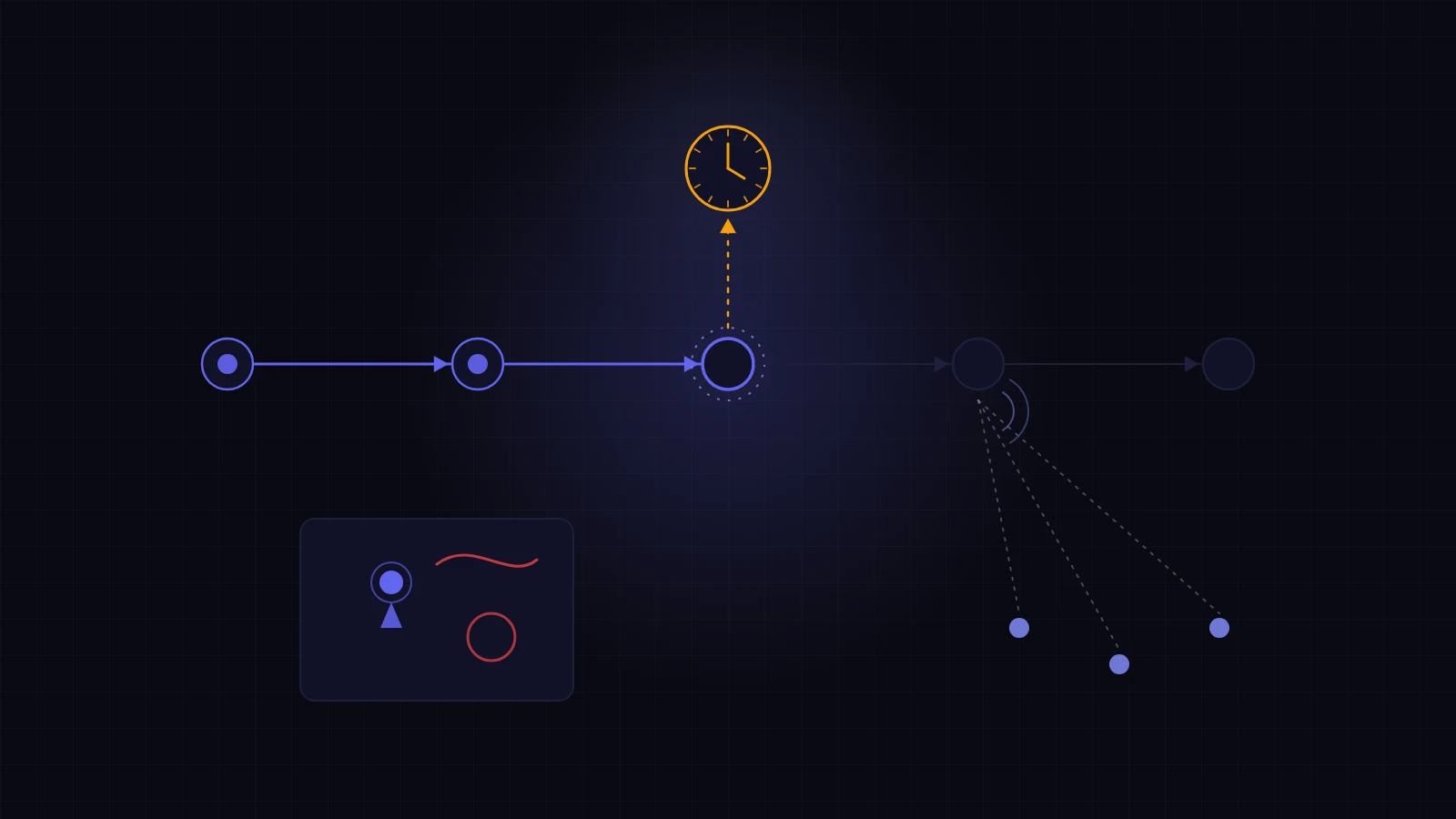
Designed a state-machine-driven workflow engine that models each claim as a series of well-defined stages with configurable transition rules and automatic escalation timers. Built the mobile client in React Native with a camera integration that captures high-resolution, geotagged photos and provides on-device annotation tools for marking up damage. Implemented a real-time notification system using Firebase Cloud Messaging so all stakeholders receive instant updates on claim status changes. Added server-side PDF generation for auto-populated claim forms and integrated a legally binding e-signature SDK to eliminate manual paperwork entirely.
Outcomes & Lessons Learned
Processing Time
Reduced claim processing time by 40%
Communication Errors
Decreased communication errors by 70%
Paper Replaced
Replaced paper-based claim documentation with a digital lifecycle
Retrospective
- Digitizing a paper workflow doesn't mean automating it — it means making the implicit rules explicit. The biggest discovery was that adjusters had informal escalation criteria that existed only in their heads. Surfacing those as configurable workflow rules was the feature that drove the most adoption.
- PDF generation for legally-binding claim forms was harder than anticipated because the output had to match the exact format the insurers' systems expected. We ended up generating PDFs server-side with precise pixel positioning rather than using a template engine.